


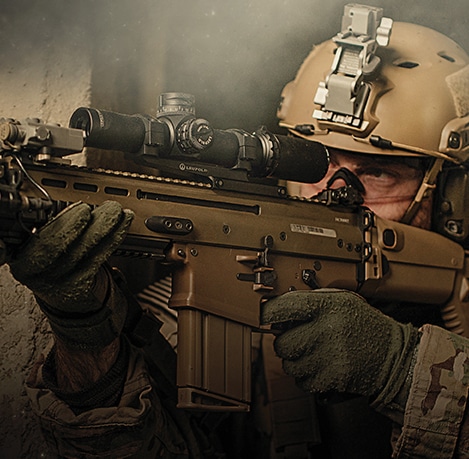
How Defence Procurement Supports Military Readiness and Operational Success
July 31, 2026
Effective defence procurement is fundamental to maintaining military readiness and supporting operational success. From acquiring equipment and technology to securing long-term support services, procurement enables armed forces to access the capabilities they require to respond to evolving security challenges.
Procurement decisions extend beyond purchasing equipment. They involve careful planning, risk management, supplier evaluation and lifecycle support to ensure that military personnel have access to reliable, compliant and operationally effective capabilities when they are needed.
As defence priorities continue to evolve, effective procurement strategies play an increasingly important role in ensuring that resources are allocated efficiently while supporting both current and future operational requirements.
Enabling Military Readiness
Military readiness depends on the ability of armed forces to deploy personnel, equipment and resources at the required level of capability and within the necessary timeframe. Procurement contributes to this readiness by ensuring that essential equipment, systems and services are available, maintained and supported throughout their operational life.
This includes the acquisition of a broad range of capabilities, such as:
- Personal protective equipment.
- Small arms and ammunition.
- Vehicles and mobility platforms.
- Communications and information systems.
- Surveillance and reconnaissance technologies.
- Logistics and support equipment.
- Training and simulation systems.
A well-managed procurement process helps ensure that these capabilities are acquired in accordance with operational requirements, technical specifications and delivery schedules.
Supporting Personnel Safety
The safety of military personnel is a key consideration throughout defence procurement. Equipment used by the armed forces is often required to perform in challenging environments and under demanding operational conditions.
Procurement processes therefore place significant emphasis on quality assurance, testing, certification and compliance with relevant standards. These measures help ensure that equipment performs as intended and is suitable for its intended operational use.
In addition to acquiring appropriate equipment, procurement strategies also consider ongoing maintenance, replacement parts, upgrades and technical support to help sustain safe and reliable operation over time.
Responding to Changing Operational Requirements
Modern defence operations are characterised by rapidly changing technologies, emerging threats and increasingly complex operational environments. Procurement strategies must therefore be sufficiently flexible to respond to new capability requirements while maintaining value for money and effective governance.
Recent procurement reforms have placed greater emphasis on:
- Faster acquisition processes.
- Early engagement with industry.
- Greater use of digital technologies.
- Increased support for innovation.
- Improved adaptability throughout equipment lifecycles.
These approaches are intended to enable defence organisations to introduce new capabilities more efficiently while ensuring that procurement decisions remain aligned with operational priorities.
Strengthening Supply Chain Resilience
Military readiness depends not only on acquiring equipment but also on maintaining reliable supply chains that can support operations over extended periods.
Supply chain resilience has become an increasingly important element of defence procurement, particularly in light of recent global disruptions and evolving geopolitical challenges.
Procurement authorities increasingly assess suppliers on factors including manufacturing capability, delivery performance, quality management and business continuity planning. Building resilient supply networks helps reduce the risk of shortages, delays and interruptions that could affect operational capability.
Long-term partnerships with dependable suppliers can also improve responsiveness when urgent operational requirements arise.
Managing Capability Throughout the Equipment Lifecycle
Defence procurement is not limited to the initial purchase of equipment. Many military capabilities remain in service for decades and require ongoing maintenance, upgrades, technical support and eventual replacement.
A lifecycle approach to procurement considers the total cost and long-term sustainability of a capability rather than focusing solely on initial acquisition costs.
Lifecycle management may include:
- Scheduled maintenance and servicing.
- Availability of spare parts.
- Technical documentation and support.
- Software updates and system upgrades.
- Training for operators and maintainers.
- End-of-life planning and replacement.
Considering these factors during procurement helps maximise operational availability while supporting long-term value for money.
Encouraging Innovation and Capability Development
Innovation is becoming an increasingly important aspect of defence procurement. Advances in areas such as artificial intelligence, autonomous systems, cybersecurity and digital communications are changing how military capabilities are developed and deployed.
Procurement frameworks increasingly encourage collaboration between government, industry and research organisations to identify innovative solutions that can enhance operational effectiveness.
Supporting innovation also enables defence organisations to adapt more rapidly to changing threats while maintaining technological relevance throughout the lifecycle of major capability programmes.
Balancing Performance, Cost and Risk
Every procurement decision involves balancing multiple considerations, including operational performance, affordability, compliance and delivery risk.
Effective procurement strategies seek to achieve value for money while ensuring that equipment and services meet defined operational requirements. Procurement teams typically evaluate factors such as:
- Technical capability.
- Whole-life costs.
- Supplier experience and capacity.
- Regulatory compliance.
- Delivery schedules.
- Security and resilience.
- Long-term support arrangements.
By considering these factors together, procurement authorities can make informed decisions that support both operational effectiveness and responsible stewardship of public resources.
Conclusion
Defence procurement is a critical enabler of military readiness and operational success. Through the careful acquisition and management of equipment, technologies and support services, procurement helps ensure that armed forces have access to reliable, compliant and effective capabilities throughout their operational lifecycle.
As defence priorities continue to evolve, procurement strategies are increasingly focused on agility, resilience, innovation and long-term value. By balancing operational requirements with robust governance and lifecycle planning, effective defence procurement continues to play an essential role in supporting the readiness, safety and effectiveness of the UK’s armed forces.